
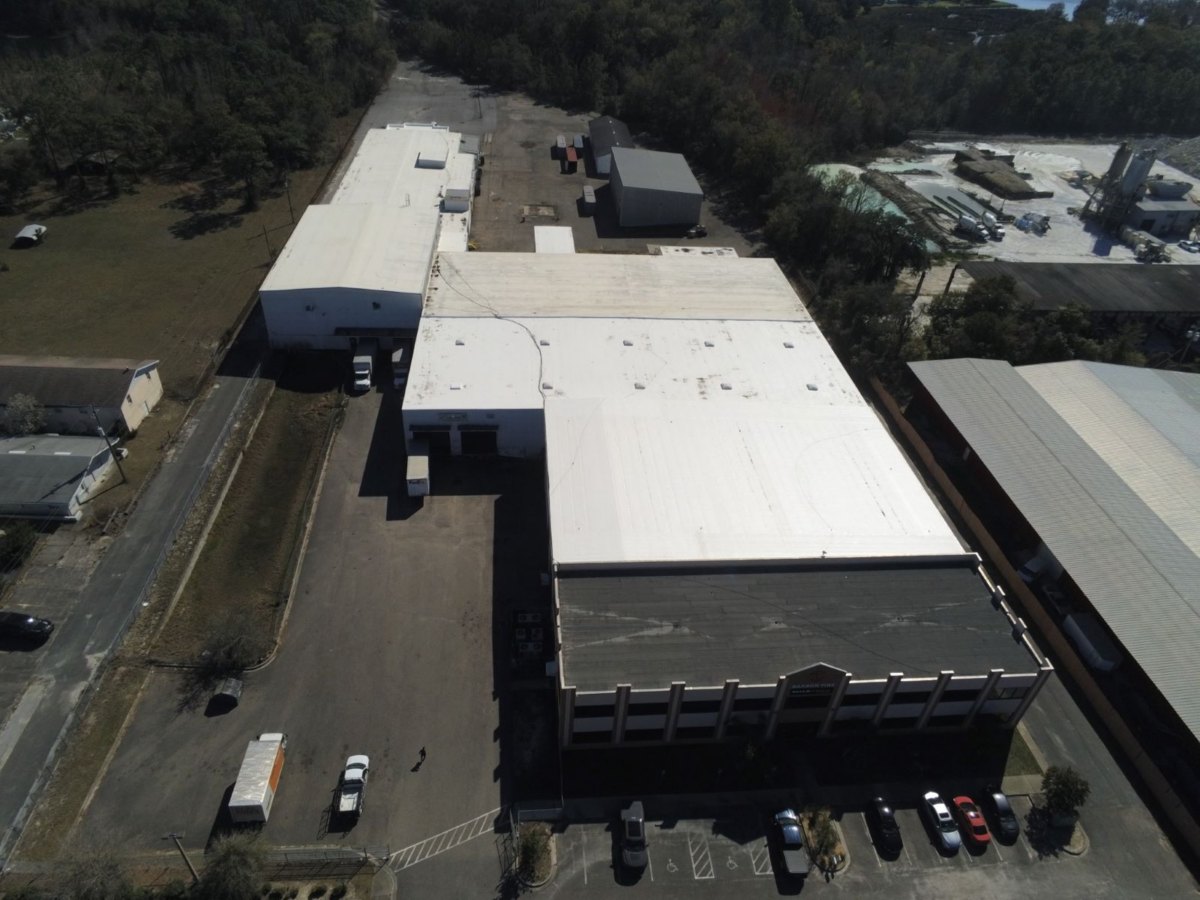
Modified Bitumen Systems
A practical review of where modified bitumen systems fit the building, budget, and Las Vegas roof conditions.
Why Modified Bitumen Is Rarely Specified on Las Vegas New Construction
The primary specification challenge for modified bitumen on Las Vegas new commercial construction is the same one that makes hot-asphalt BUR essentially nonexistent here: the Mojave Desert's summer ambient temperatures compress or eliminate the application windows that bituminous materials require for proper installation. Torch-applied modified bitumen requires controlled heat application to achieve proper adhesion and lap sealing — in a July Las Vegas environment where the ambient surface temperature is already 160-175°F before any torch is applied, the margin between adequate heating and overheating the substrate or adjacent materials narrows to a range that demands highly experienced applicators and active quality monitoring throughout the day.
Summer construction timelines in Las Vegas — which is when many building owners want roofing work completed — drive modified bitumen installation toward early morning windows before ambient surface temperatures make torch application impractical. That constraint limits daily production rates and extends project timelines compared to TPO, which installs reliably across a wider ambient temperature range. For a building owner comparing bids for a July or August Las Vegas roofing project, the timeline and quality-control implications of modified bitumen in peak summer heat are a real factor in the specification decision.
Nevada's energy code adds the final constraint: standard dark-surfaced modified bitumen does not 1-2019 without a granule cap sheet, aluminum coating, or reflective topcoat that changes the system economics meaningfully. White granule-surfaced modified bitumen cap sheets are available and do The white granule cap sheet option reduces the surface temperature penalty substantially but does not eliminate it compared to a white TPO or PVC alternative.
Where Modified Bitumen Remains Justified in Las Vegas
Complex roofing geometry is the strongest justification for modified bitumen in Las Vegas. Older resort and casino buildings — the pre-1990 era properties along the Fremont Street corridor and the original Strip towers — have rooftop configurations with dense penetration arrays, unusual parapet configurations, and historical layering of prior roofing systems that make single-ply application labor-intensive and flashing-detail-intensive in ways that modified bitumen handles more efficiently. Where the alternative is a TPO installation with 150 individual penetration flashings, modified bitumen's ability to be formed and fused directly around complex geometry can reduce installation time and potential failure points.
Recover over existing modified bitumen or BUR systems is the second justified application. Tearing off and replacing a multi-ply built-up roof that is still structurally sound and dry involves significant cost and waste disposal. If the existing system passes a moisture core assessment and the insulation is dry, a modified bitumen recover — adding a new cap sheet over the existing base — can extend asset life at a fraction of full replacement cost. We assess this option on every aging bituminous system we inspect in Las Vegas and recommend it when the substrate condition supports it.
Detail-intensive specialty work — equipment curb flashings, skylight surrounds, roof-to-wall terminations on complex architectural configurations — sometimes uses modified bitumen as a supplemental material even when the field membrane is TPO or PVC. Modified bitumen's formability and the durability of the resulting flashing assembly make it a practical choice at specific detail conditions where TPO fabrication would require significant custom sheet-metal work. This hybrid approach — single-ply field, modified bitumen details — is common in complex Las Vegas resort roofing projects.
Surface Temperature and Long-Term Performance in 115°F Conditions
Dark-surfaced modified bitumen on a Las Vegas rooftop operates under a chronic surface temperature load that is measurably more severe than what the material experiences in temperate markets. Bituminous materials age through oxidation, and oxidation rates accelerate with temperature — the same process that causes asphalt pavement to crack and deteriorate faster in Phoenix than in Seattle operates on modified bitumen roofing in Las Vegas's summer heat. A dark modified bitumen system that carries a 20-year service life projection in a Mid-Atlantic climate may show meaningful surface oxidation and brittleness in a Las Vegas installation at year 12-15.
White granule cap sheets substantially reduce this aging acceleration by cutting surface temperatures by 30-40°F compared to dark granule equivalents. We specify white granule cap sheets on every Las Vegas modified bitumen installation where energy code compliance requires it — which is most new or replacement work — and recommend inspecting systems with dark cap sheets on a shorter cycle than the manufacturer's temperate-climate maintenance schedule suggests. UV Index 10+ year-round in Las Vegas means that surface oxidation inspection is relevant even in winter, unlike northern markets where UV intensity is substantially lower outside summer months.
Post-monsoon inspection of modified bitumen systems in Las Vegas is important specifically because bituminous lap seams — unlike TPO fusion welds — can be vulnerable to the thermal shock that rapid cooling from monsoon rain creates on a 175°F+ surface. We include lap seam condition in every post-monsoon assessment on modified bitumen buildings under maintenance contract and address any lifted or separated laps before the next storm event creates an intrusion pathway.
Frequently asked questions
Can I install torch-applied modified bitumen in Las Vegas summer heat?
Yes, with appropriate constraints. Torch application in July and August requires early morning production windows before ambient surface temperatures make quality control difficult, experienced crews who understand the narrower application margin in high-ambient conditions, and active quality monitoring throughout the day. We do not torch-apply modified bitumen during peak afternoon hours on days when surface temperatures exceed our installation threshold. This adds schedule contingency relative to TPO, which installs reliably in a wider temperature range.
Does modified bitumen meet Nevada's cool-roof energy code?
Standard dark-surfaced modified bitumen does not meet ASHRAE 90.1-2019 SRI requirements without a reflective topcoat or white granule cap sheet. White granule-surfaced cap sheets are available from major manufacturers and do meet Nevada's SRI threshold. We specify white granule cap sheets on all Las Vegas modified bitumen installations where code compliance is required and document SRI compliance in the permit closeout file.
Is modified bitumen a good choice for recovering an old BUR system in Las Vegas?
It can be, if the existing BUR insulation is dry and the substrate is sound. A modified bitumen cap sheet recover over a dry, intact BUR base is a cost-effective way to extend a system's service life without the expense of full tear-off. We pull cores at representative locations before recommending a recover path. If insulation saturation is present in more than 25% of tested locations, we recommend full replacement with a system that will close out with a manufacturer warranty.
Assessing modified bitumen for a Las Vegas commercial building?
We will inspect your existing system, pull cores to determine saturation extent, and give you a written assessment of whether a modified bitumen recover, a full replacement with a different membrane, or a targeted repair is the right scope for your building's condition and capital position.