
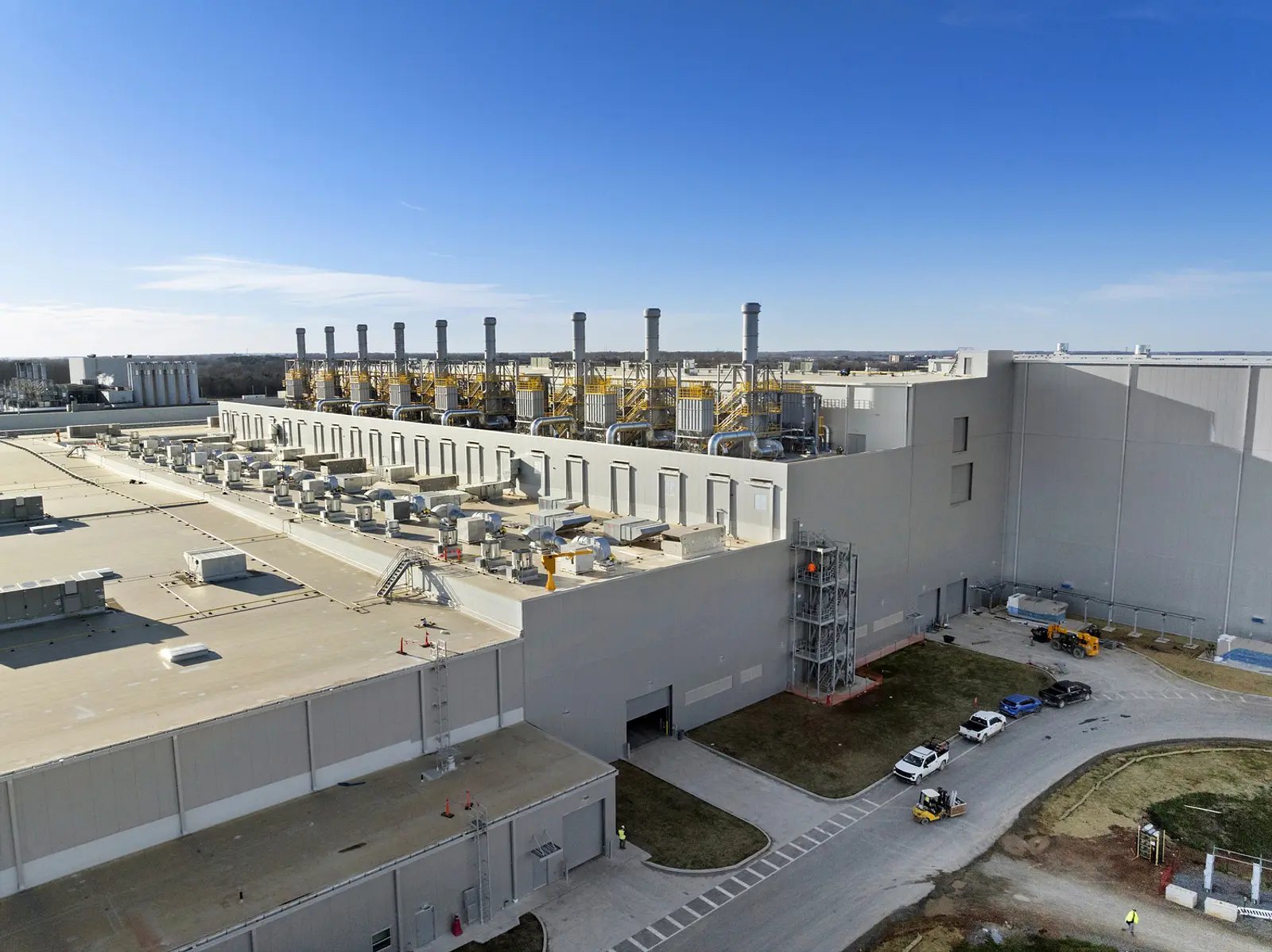
Parapet Wall Repair
Documented roof planning for parapet wall repair across Las Vegas commercial facilities.
Coping Cap Repair and Replacement
Metal coping caps fail at end laps and at the clip anchor points. The clip that holds the upper panel against wind uplift fatigues over time — in Las Vegas, the combination of intense thermal expansion and contraction with the periodic high-wind events that accompany monsoon cells and spring frontal systems accelerates this fatigue. When the clip fails, the lap opens and water enters the top of the parapet wall assembly, migrating down to the base flashing and beyond before appearing as an interior event. We pull the affected coping sections, inspect the wood nailer below for UV degradation or moisture damage, replace the nailer where needed, and reinstall with continuous-clip systems that close the end-lap gap permanently.
Precast concrete coping — common on Las Vegas commercial buildings from the 1960s through the 1980s, particularly along the original Fremont Street commercial district and on industrial buildings from the early development era — fails at the mortar joints between units. The original mortar has carbonated under decades of thermal cycling and is typically cracked and permeable to monsoon water. We rake and repoint the joints with an elastomeric polyurethane sealant compatible with the concrete substrate, then apply a penetrating masonry sealer to the coping surface to reduce water absorption.
Any coping replacement or repair also triggers an assessment of the cap's drainage slope. Coping should drain toward the roof, not toward the building's exterior face. Coping that has settled level or tilted outward directs water against the wall assembly and accelerates counterflashing deterioration below. We correct slope during coping work when the existing cap is being replaced.
Base Flashing Rebuild
The base flashing rebuild is the most labor-intensive component of a parapet repair in Las Vegas because the UV-driven shrinkage that typically causes the failure means the existing flashing has contracted and pulled away from its termination over a length that must be fully stripped back to sound material before the new flashing can be installed. A lap placed over a flashing that has already pulled is under residual stress from its separation history and will re-open within the first heat cycle.
The correct repair strips the existing base flashing to a solid bond point — typically two to four feet below the observable failure — and installs new membrane from that point up through the reglet or counterflashing termination. On TPO systems, the new base flashing is heat-welded to the field membrane at its base and mechanically terminated at the top of the parapet face. On EPDM systems, the base flashing is bonded with EPDM adhesive and terminated with a metal counterflashing reglet and manufacturer-specified sealant.
Parapet height is a relevant factor in Las Vegas because of the monsoon drainage volume. Parapets below 24 inches on roofs with inadequate positive slope can allow ponding water to reach the base flashing termination during sustained monsoon events. When we encounter this condition, we document it and discuss solutions — tapered insulation to improve drainage, or a raised base flashing detail — as part of the parapet repair scope.
Masonry Sealant Restoration
CMU and brick parapet walls absorb water through their face if the masonry sealer has failed or was never applied. Absorbed water that cycles through the wall produces efflorescence — the white salt deposits visible on many Las Vegas commercial parapets — and eventually reaches the base flashing through the wall assembly rather than over the top. Repointing the coping and rebuilding the base flashing without addressing a permeable masonry face is an incomplete repair.
We apply silane-siloxane penetrating masonry sealers to parapet wall faces showing efflorescence, spalling, or visible mortar joint deterioration. The sealer is applied after mortar repointing is complete and after the masonry has dried to below 12% moisture content — verified before application. Sealing over masonry that retains moisture from a recent monsoon event traps that moisture in the wall and can accelerate deterioration. We schedule masonry sealer application in the dry windows between monsoon events, not during active monsoon season.
Las Vegas also experiences occasional hard freeze events in winter — temperatures below 32°F occur on a handful of nights each year, and documented hard freezes have occurred during severe winter inversions. For parapet masonry on buildings with significant moisture absorption history, freeze-thaw spalling is a secondary failure mode that masonry sealer application directly addresses.
Frequently asked questions
How do I determine whether the leak is coming from the parapet versus the roof field?
We establish this through water testing. If flooding the area immediately below the coping — without wetting the roof field membrane — produces interior water, the leak path is through the coping or counterflashing, not the field. This distinction matters because the repair scope and the cost are different, and it matters for insurance documentation where the distinction between parapet failure and field failure affects the claim.
Can you repair just a section of coping rather than the full perimeter?
Yes, if the failure is clearly isolated. We always conduct a condition survey of the full parapet perimeter during any parapet engagement, because buildings that present one failing section frequently have two or three additional sections within six to twelve months of the same failure mode — particularly in a climate where UV and thermal cycling degrade all the coping joints on approximately the same schedule.
Does parapet repair require a permit in Las Vegas or Clark County?
Coping replacement and base flashing repair on an existing building typically fall below the permit threshold for repair work under the City of Las Vegas and Clark County ordinances. Parapet reconstruction — where the masonry itself is being rebuilt rather than the cap and flashing repaired — requires a permit and structural review. We advise on permit requirements before starting any scope.